A traffic-bearing membrane is the critical waterproofing layer in a parkade deck system — it must simultaneously function as a waterproof barrier and a durable wear surface capable of withstanding regular vehicle traffic. Selecting, installing, and maintaining the right system is one of the most consequential decisions in a parkade restoration project. This guide covers the key considerations for Metro Vancouver strata buildings and commercial properties.
What Is a Traffic-Bearing Membrane?
Unlike roofing membranes, which are protected from traffic by insulation and ballast, parkade deck membranes are exposed directly to vehicle tires, traction sands, and deicing treatments. This places exceptional demands on the membrane system — it must be both watertight and tough enough to resist abrasion, puncture, and the shear forces transmitted by turning tires.
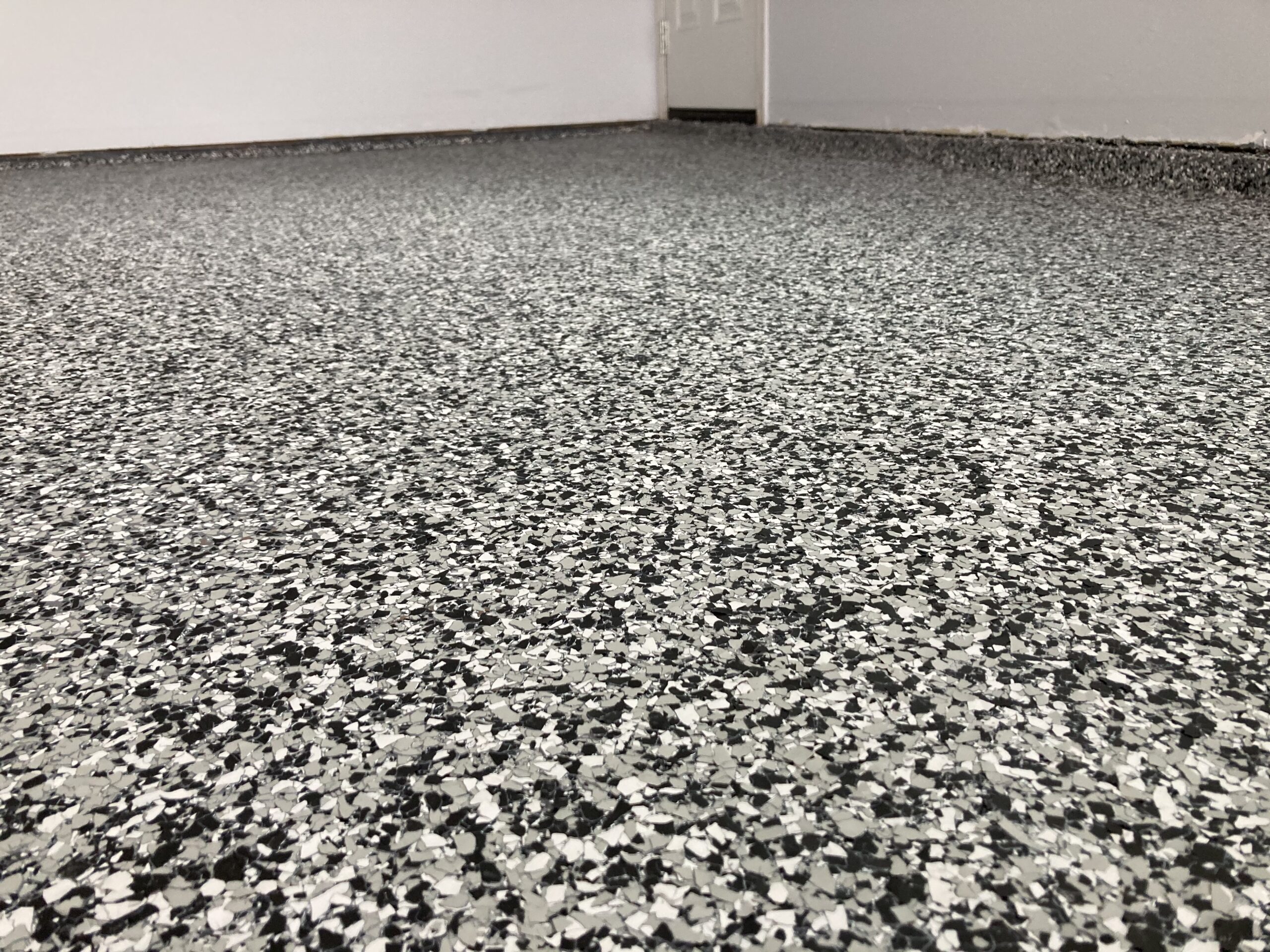
Traffic-bearing membrane systems typically consist of multiple layers: a primer to enhance adhesion to the concrete substrate, one or more waterproofing layers (the membrane itself), and a wearing course that provides the traffic-resistant surface. The wearing course may be part of the membrane system (as in broadcast aggregate polyurethane systems) or a separate layer applied over the waterproofing (as in hot-rubber systems with a topping slab or bituminous wear surface).
Common Traffic-Bearing Membrane Systems for Vancouver Parkades
Poured polyurethane systems are widely used in Metro Vancouver parkades. They are applied as a liquid, conforming perfectly to the substrate geometry, and cure to a flexible, tough membrane that bonds seamlessly around drains, columns, and other penetrations. They perform well in our wet climate and can accommodate significant structural movement.
Hot-rubber (hot-applied rubberized asphalt) systems are another established choice — a fluid-applied system that is melted and poured onto the deck, providing a thick, seamless membrane with excellent waterproofing performance. Torch-applied modified bitumen systems are also common, particularly on ramps and transition areas. Our parkade resurfacing services include all of these systems, selected based on project-specific requirements.
Installation and Substrate Requirements
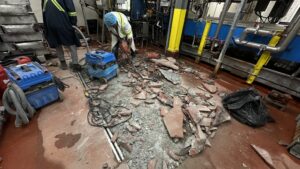
The performance of any traffic-bearing membrane is only as good as the substrate preparation. The concrete deck must be clean, structurally sound, properly sloped to drain, and free of standing water, laitance, and contaminants. Cracks must be repaired or routed and sealed before membrane application. Any concrete that is delaminated, spalled, or structurally compromised must be repaired — applying a new membrane over damaged concrete is a common cause of premature membrane failure. Our concrete repair services ensure substrates are properly prepared before membrane installation.
Maintenance for Long Service Life
A well-installed traffic-bearing membrane can provide 15–25 years of service with appropriate maintenance. Regular inspection — at least annually — should check for signs of membrane damage, joint failure, drain condition, and any areas of ponding. Prompt repair of isolated damage prevents larger failures from developing. See our FAQ for guidance on membrane maintenance intervals and inspection criteria.
Contact Miyagi Construction for a free site assessment at estimate@miyagiconstruction.com or call (778) 513-7471.
Additional Resources
For more information on concrete standards and construction safety in British Columbia, visit WorkSafeBC and the CSA Group for industry standards and guidelines.
Get a Free On-Site Assessment
Tell us about your project and we'll get back to you within 24 hours. No obligation, no pressure.