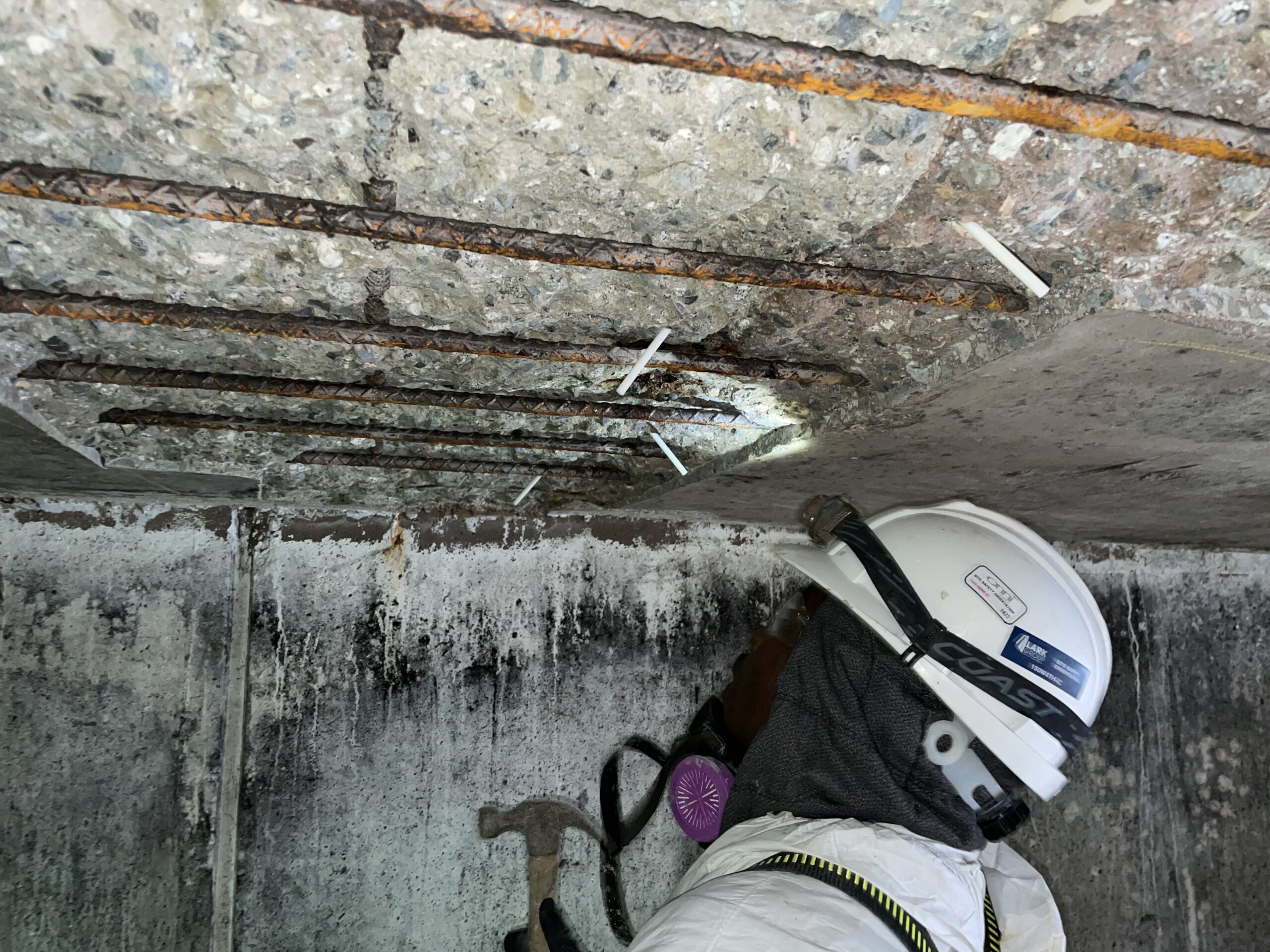
Parkade repair and waterproofing projects are necessary — but they are also inherently disruptive to the residents and property that depend on the parking structure for daily use. Managing this disruption effectively is as important as the technical quality of the repair work itself. A well-planned, well-communicated project can proceed with minimal resident friction; a poorly managed one can generate complaints, strata meeting controversy, and reputational damage to the contractor, property manager, and council alike.
Phasing: The Most Effective Disruption Reduction Strategy
Phasing — dividing the parkade into work zones and completing one zone at a time — is the single most effective strategy for maintaining parking access during a repair project. In a typical strata parkade waterproofing project, the parking area is divided into two or more phases. Construction is contained to one phase while the remaining areas stay accessible. The number of phases and the division of the parkade depends on the layout of the structure, the number of parking stalls, and the ratio of parking stalls to units.
Phasing adds some cost and time to the overall project — each phase start-up and close-down involves mobilization effort that a single-phase project would not require. However, the reduction in resident disruption and the ability to accommodate residents’ parking throughout the project almost always justifies this additional investment in strata environments. Our parkade resurfacing team develops phasing plans in collaboration with strata property managers for every project.
Temporary Parking Arrangements
Even with phased construction, there may be periods when the number of available stalls is insufficient for all residents. Planning for temporary parking arrangements in advance — whether through agreements with nearby lots, use of visitor stalls, or temporary reallocation of stalls — prevents last-minute scrambles and reduces resident frustration. Your property manager should work with the contractor to develop a parking plan that is communicated to residents well in advance.
Stall assignments during construction should be documented and communicated clearly. A resident who loses their stall temporarily needs to know where their alternative is, for how long, and who to contact with questions or concerns.
Communication: Managing Expectations Before, During, and After
Proactive communication dramatically reduces complaints during construction. Residents who receive advance notice of the work, a clear explanation of why it is necessary, a realistic schedule, and regular progress updates are far more tolerant of inconvenience than those who encounter construction activity without warning. Use strata notice boards, property management communications, and strata email lists to keep residents informed.
Construction noise, odour from membrane materials, and vehicle access restrictions should be clearly communicated before they occur. Our concrete repair team provides communication templates and schedules as part of our project management process. Check our FAQ for more on managing strata construction logistics.
Contact Miyagi Construction for a free site assessment at estimate@miyagiconstruction.com or call (778) 513-7471.
Additional Resources
For more information on concrete standards and construction safety in British Columbia, visit BC Housing and the WorkSafeBC for industry standards and guidelines.
Get a Free On-Site Assessment
Tell us about your project and we'll get back to you within 24 hours. No obligation, no pressure.