Concrete Polishing Vancouver: Benefits, Process, and Cost Guide
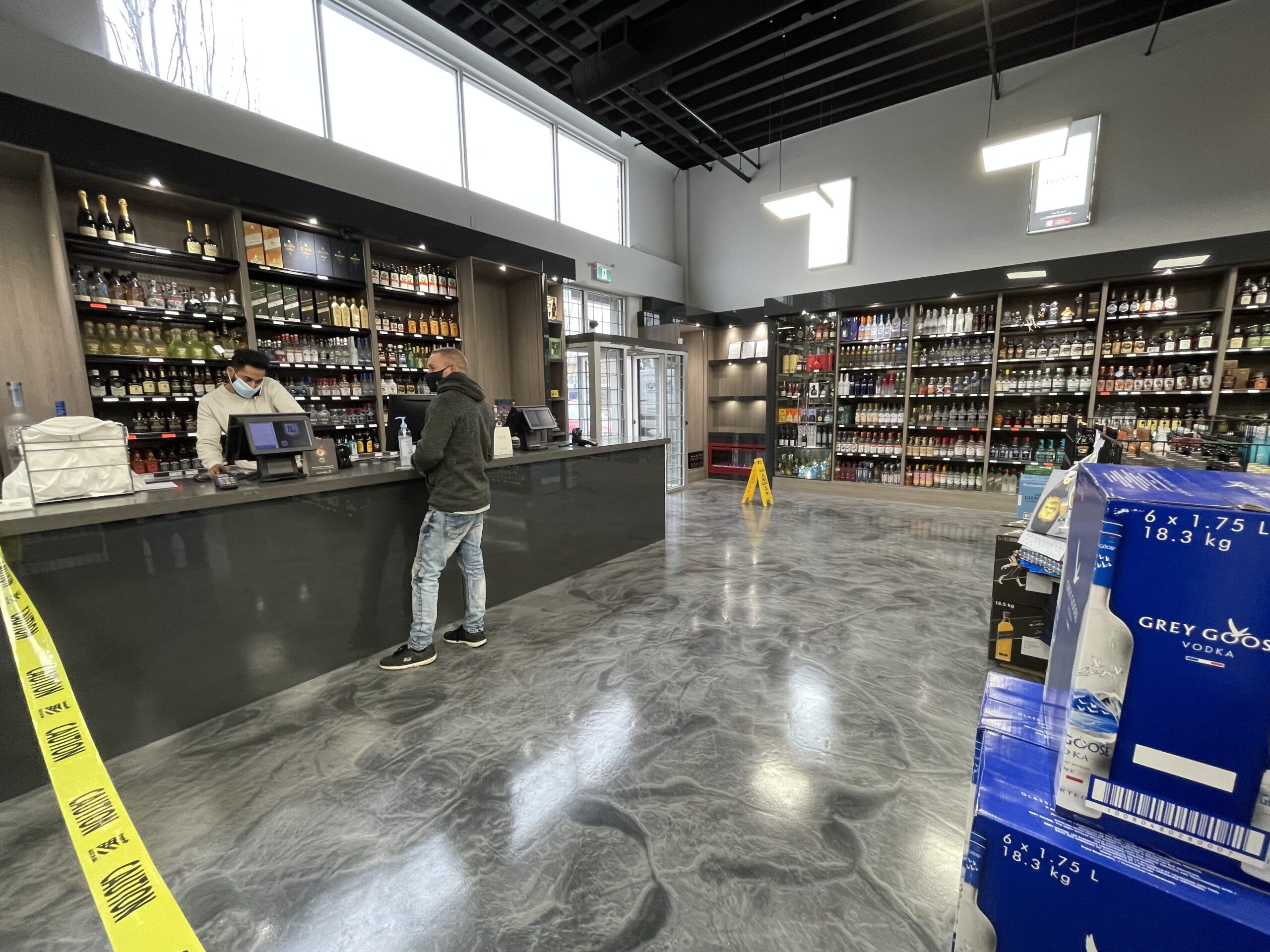
Polished concrete has established itself as one of the most practical and visually striking flooring options available to commercial, retail, and industrial facilities in Metro Vancouver. With no coatings to peel or replace, polished concrete provides a long-lasting, low-maintenance surface that only improves with age — and increasingly, it’s the design-forward choice for everything from boutique retail spaces to LEED-certified commercial buildings.
Why Polished Concrete Is Growing in Popularity
The growth of polished concrete in Vancouver’s commercial market reflects a convergence of practical and aesthetic benefits:
- Longevity: A properly polished and densified concrete floor can last the life of the building without major renovation.
- Low maintenance: No waxing, no stripping, no coating replacement cycles. Routine dust mopping and occasional auto-scrubbing is all that’s required.
- Sustainability: Polishing an existing slab uses no adhesives, coatings, or new materials, making it one of the greenest flooring options available and a contributor to LEED credits.
- Light reflectivity: High-gloss polished concrete reflects ambient light, reducing the need for artificial lighting and creating a brighter environment.
- Cost-effectiveness: Compared to installing tile, hardwood, or vinyl over concrete, polishing the existing slab is often significantly less expensive.
The Concrete Polishing Process Explained
Polished concrete is achieved through a multi-step diamond grinding and polishing sequence, similar in principle to finishing stone countertops:
- Initial grinding (coarse grits): Metal-bonded diamond tooling at 30–60 grit removes surface coatings, high spots, and opens the concrete profile.
- Intermediate grinding: Progressively finer diamond segments (80–200 grit) remove scratches from the previous step and begin to refine the surface.
- Chemical densification: A lithium or sodium silicate densifier is applied. It reacts with calcium hydroxide in the concrete to form calcium silicate hydrate — filling pores and hardening the surface for better polishability and stain resistance.
- Fine polishing (resin bonds): Resin-bonded diamond pads at 400–3,000 grit progressively increase the reflectivity of the surface.
- Guard/stain protector: A penetrating stain guard or topical guard is applied to improve resistance to water, oil, and other contaminants.
View our concrete polishing services page for project examples and specifications.
Applications: Where Polished Concrete Works Best
Polished concrete is ideal for:
- Retail stores and showrooms
- Office lobbies and open-plan workspaces
- Warehouses and light industrial facilities
- Restaurants and hospitality venues
- Strata amenity areas and common corridors
Cost and Maintenance of Polished Concrete in Vancouver
Concrete polishing costs depend on the current condition of the slab, the gloss level desired, the aggregate exposure level (cream, salt-and-pepper, or full aggregate), and the total area. Flat-rate pricing is available for straightforward projects.
Contact Miyagi Construction at estimate@miyagiconstruction.com for a polished concrete quote for your Vancouver-area facility. We’ll assess your existing slab and recommend the appropriate system for your traffic levels and design goals.
Additional Resources
For more information on concrete standards and construction safety in British Columbia, visit BC Construction Safety Alliance and the CSA Group for industry standards and guidelines.
Get a Free On-Site Assessment
Tell us about your project and we'll get back to you within 24 hours. No obligation, no pressure.