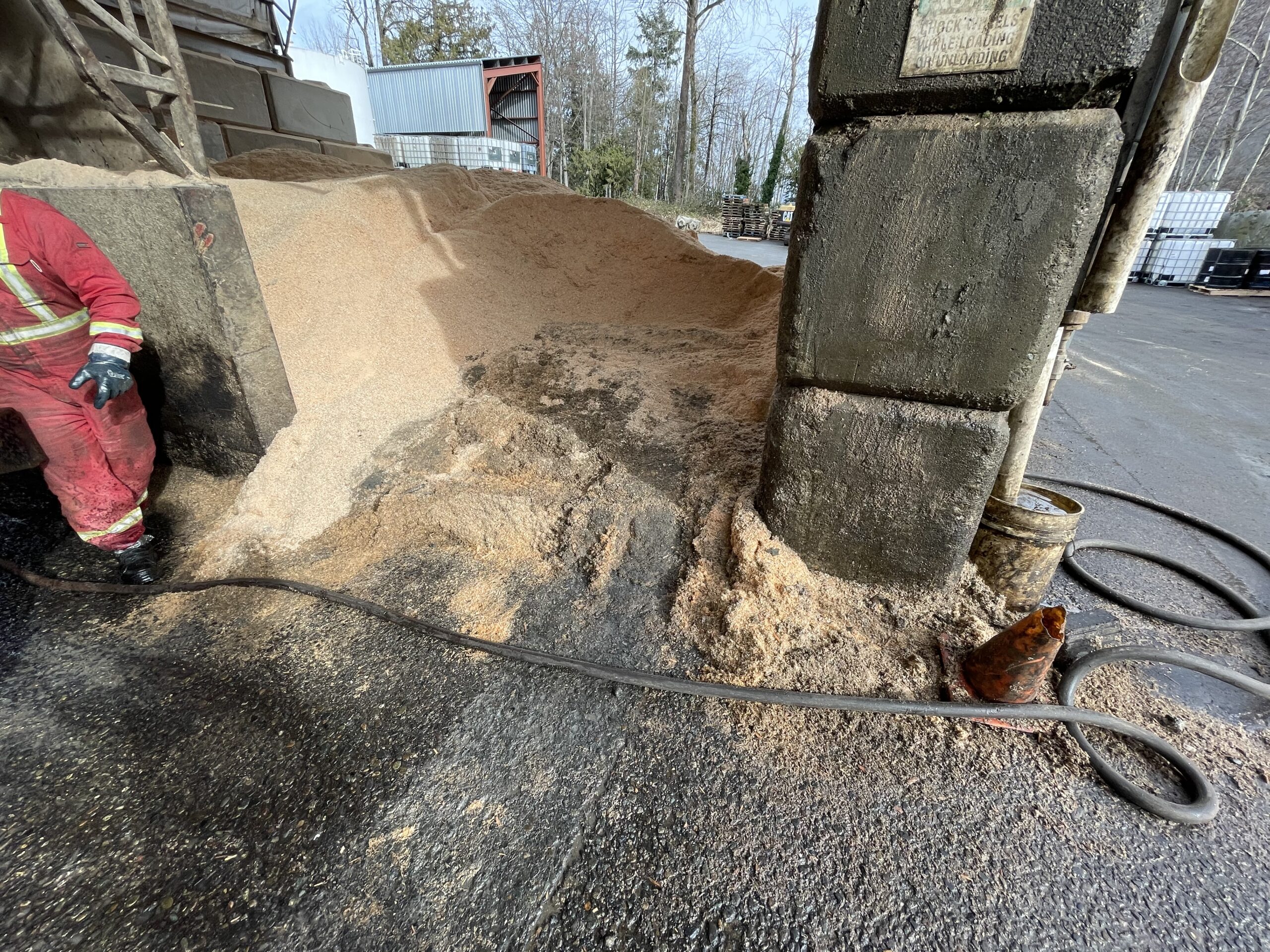
Commercial kitchen concrete floors in Vancouver face a uniquely aggressive combination of conditions: constant moisture from cleaning and cooking operations, chemical exposure from cleaning agents and acidic food products, thermal cycling from hot equipment and cold storage areas, and the physical demands of heavy equipment, rolling stock, and high-volume foot traffic. Understanding how these conditions affect concrete — and how to repair and protect it effectively — is important for restaurant operators and property managers responsible for commercial food service facilities.
How Commercial Kitchen Conditions Damage Concrete
Acidic foods and cleaning chemicals are among the most destructive substances for concrete. Many commercial cleaning agents have a low pH that attacks the calcium hydroxide in concrete over time, progressively softening the surface and increasing porosity. Fats and greases penetrate porous concrete surfaces and create a contamination layer that interferes with coating adhesion and promotes bacterial growth. Hot water and steam cycling — particularly around dishwashing areas and cooking equipment — accelerates carbonation and stresses surface coatings.
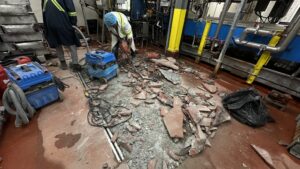
Drain areas are particularly vulnerable. Water constantly directed toward floor drains creates erosion of the concrete immediately around drain edges, and the concentrated chemical load in drainage water attacks the concrete in these zones more aggressively than general floor areas. Drain trench covers and grates create impact loading and vibration that further deteriorates the concrete edges. Our concrete repair services address drain area deterioration as part of commercial kitchen floor restoration.
Repair Approaches for Commercial Kitchen Concrete
Concrete repair in commercial kitchens requires materials specifically rated for food service environments — non-toxic, chemical-resistant, and compliant with health code requirements. Standard construction repair mortars are not appropriate for food contact areas. We use cementitious repair systems designed for food-processing facilities that provide the mechanical strength of standard structural mortars with the chemical resistance needed in this environment.
Surface preparation is particularly demanding in commercial kitchens due to the deep grease contamination common in older facilities. Shot blasting alone may be insufficient to remove all contamination — chemical degreasing, thermal treatment, or mechanical scarification may be required before any repair or coating can achieve adequate adhesion. Our team assesses contamination levels before specifying preparation methods.
Protective Coatings for Commercial Kitchen Floors
After concrete repair, commercial kitchen floors typically require protective coating to provide the required cleanability, chemical resistance, and slip resistance. Urethane cement systems are the preferred choice for most Vancouver commercial kitchen applications — they combine the chemical resistance needed for food service environments with flexibility that accommodates substrate movement and thermal cycling. Anti-slip aggregate is incorporated for safety in wet areas. See our industrial floor coating services for commercial kitchen coating options, and our FAQ for more on floor repair in food service environments.
Contact Miyagi Construction for a free site assessment at estimate@miyagiconstruction.com or call (778) 513-7471.
Additional Resources
For more information on concrete standards and construction safety in British Columbia, visit CSA Group and the WorkSafeBC for industry standards and guidelines.
Get a Free On-Site Assessment
Tell us about your project and we'll get back to you within 24 hours. No obligation, no pressure.