Understanding the expected service life of a parkade membrane is essential for accurate capital planning, depreciation reporting, and avoiding the costly consequences of membrane failure. The answer isn’t one-size-fits-all — it depends on several site-specific and product-specific factors.
Typical Service Life by Membrane Type
Different membrane systems have different expected service lives under Metro Vancouver conditions. Hot-applied rubberized asphalt systems, once the standard in parkade waterproofing, typically last 15–20 years when properly installed and maintained. Cold-applied liquid polyurethane traffic membranes — now widely used for their flexibility and seamless application — offer 10–15 years in heavy-traffic applications and up to 20 years in moderate-traffic settings. Sheet-applied membranes vary by product but generally fall in the 15–20 year range. Epoxy and polyurethane traffic coatings used for surface protection (as opposed to true waterproofing) may require renewal every 5–10 years.
Factors That Shorten Membrane Life
Heavy vehicle traffic — particularly tight turning movements that create lateral shear forces on the membrane surface — accelerates wear significantly. Chemical exposure from oil drips, fuel spills, and de-icing products also degrades membrane performance over time. Inadequate slope and persistent standing water are major lifespan reducers, as is UV exposure on above-grade decks. Finally, poor installation quality is the most common cause of premature failure — insufficient surface preparation, inadequate coating thickness, and poor detailing around drains and penetrations all reduce the effective service life. Miyagi Construction’s parkade resurfacing services include full membrane systems with proper detailing and written warranties.
Extending Membrane Life Through Maintenance
Annual professional inspections are the most effective maintenance investment. Early identification of small cracks, blistered areas, or compromised drain seals allows localized repairs at low cost — preventing the damage propagation that turns a $500 repair into a $50,000 membrane replacement. Keeping drains clear, cleaning the surface regularly, and addressing any vehicle fluid spills promptly all contribute to maximizing the membrane lifespan. Our concrete repair services include condition assessments and maintenance repair programs for strata and commercial properties.
Planning for Replacement in Your Depreciation Report
BC strata corporations are required to maintain depreciation reports that project capital expenditures over a 30-year horizon. Parkade membrane replacement is a significant line item. If your current depreciation report was prepared when the membrane was new or recently replaced, the timing of the next replacement cycle should be reviewed in light of actual observed condition — not just projected age. A contractor assessment can provide an independent condition rating to update the depreciation report projection.
FAQ
Can I extend a membrane’s life with coatings or sealers?
Some surface-applied sealers and topcoats can extend the life of an aging but structurally sound membrane by 3–5 years. This is a cost-effective strategy when the membrane has lost its UV protection or surface texture but remains well-bonded. A professional assessment determines whether re-coating is viable or replacement is more economical.
What are the risks of replacing a membrane too late?
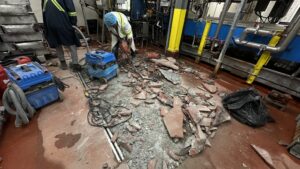
When waterproofing fails, water infiltrates the concrete substrate, initiating rebar corrosion and concrete delamination. Corroded rebar must be treated, and spalled concrete repaired, before a new membrane can be applied — significantly increasing the total project cost. Early replacement is almost always less expensive than delayed replacement.
Does the type of parking structure affect replacement frequency?
Yes. Roof-level parkade decks exposed to full UV and rainfall typically require more frequent renewal than sheltered above-grade decks. Underground parkades with hydrostatic pressure considerations require specific membrane systems designed for negative-side waterproofing conditions.
How do I budget for membrane replacement in our CRF?
Work with your property manager and a qualified concrete repair contractor to establish the current membrane condition, estimated remaining service life, and replacement cost. This data feeds directly into your depreciation report and CRF contribution calculations. Miyagi Construction provides written condition reports for CRF planning purposes.
Get a Free On-Site Assessment
Tell us about your project and we'll get back to you within 24 hours. No obligation, no pressure.