Over the years, we have fielded thousands of questions from property managers and strata councils across the Lower Mainland. While every building is different, the same questions come up again and again. We have compiled the most common ones here, along with honest, practical answers drawn from our experience in Vancouver’s concrete repair market.
General Questions
How do I know if my building actually needs concrete repair, or if it is just cosmetic?
This is the right question to start with. Not all concrete imperfections are structural concerns — surface crazing, minor surface staining, and some hairline cracking can be cosmetic and stable. However, certain conditions always warrant investigation: rust staining (which indicates corroding reinforcement), hollow-sounding concrete, active water infiltration, spalling that has progressed to rebar exposure, or cracks that are visibly widening. If you are unsure, have a qualified contractor conduct a condition assessment. The assessment cost is minimal compared to the cost of delayed action on a real problem.
Is it better to repair or replace deteriorated concrete?
Repair is almost always preferable to replacement for localized damage and is typically far less expensive. Concrete replacement becomes the better option when damage is pervasive (affecting more than 50% of a surface), when the structural element has been significantly compromised, or when the root cause cannot be corrected without reconstruction. A qualified contractor or engineer can advise you on the repair-vs-replace question for specific elements.
How long does concrete repair last?
A properly executed concrete repair using appropriate materials should last 15–25 years or more. The key variables are quality of surface preparation, appropriateness of the repair material for the conditions, treatment of the root cause (not just the symptom), and quality of workmanship. Quick patch jobs using inappropriate materials in inadequately prepared substrates may fail in 2–5 years. This is why material specifications and workmanship quality matter so much — the cheapest quote often produces the most expensive outcome over time.
Timing and Disruption
When is the best time of year to do concrete repair in Vancouver?
Most concrete repair work in Vancouver can be done year-round given the mild climate. Cementitious repair mortars should not be placed when temperatures are below 5°C or above 35°C — for Vancouver, this primarily means avoiding particularly cold winter days. Waterproofing membrane installation typically has a minimum temperature requirement of 5–10°C depending on the system. Late spring through early fall is generally the ideal window, but winter work is entirely feasible in most years with some project management adjustments.
How much disruption should residents expect during a concrete repair project?
Disruption varies significantly by project type. Surface-level concrete repairs are relatively low-disruption — primarily noise from chipping and grinding, some odour from sealers or coatings, and temporary restricted access to the work area. Parkade restoration projects are more disruptive, often requiring temporary closure of parking levels in sections and significantly more noise and dust. Balcony restoration programs affect individual units’ access to their balconies for the duration of the restoration — typically 1–3 days per balcony if weather cooperates. We work with building management to develop a communication plan for residents and provide clear advance notice of at least 48–72 hours for significant noise or odour impacts.
Can we do repairs while the building is occupied?
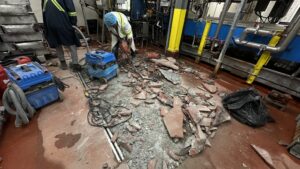
Yes — in fact, most concrete repair projects on residential buildings in Vancouver are done in occupied buildings. The key is proper planning: adequate ventilation for indoor work, HEPA-filtered dust collection for chipping and grinding, work hour restrictions as required by strata bylaws or local noise regulations, and clear communication with residents. Parkade work can often be phased so that at least half the parking is accessible at all times.
Cost and Budgeting
Can I get a rough cost estimate over the phone or by email?
We can discuss general price ranges, but we do not provide meaningful estimates without seeing the actual conditions. Concrete repair pricing depends heavily on the specific extent of damage, access conditions, material requirements, and local factors that simply cannot be assessed remotely. A site visit to provide a proper estimate typically takes 30–60 minutes and is provided at no charge. This protects you from both inflated quotes based on assumed worst-case conditions and falsely low quotes based on incomplete scope.
Will my strata’s depreciation report accurately reflect repair costs?
Often, no — at least not with current-market accuracy. Depreciation reports are typically prepared using regional cost databases that may lag actual market conditions. Construction costs in Vancouver have increased substantially over the past several years. We recommend cross-referencing depreciation report projections with current contractor quotes for specific work items every few years to verify that reserve fund contributions are adequately funded.
What is the risk of deferring concrete repairs to save on this year’s budget?
Concrete deterioration is progressive and typically accelerates over time. Deferring repairs for 1–2 years might seem like a budget win, but in many cases it means significantly more expensive repairs when the work is eventually done. Delaminated concrete that could be stabilized this year may fall off and expose structural elements next year. Water infiltration that could be stopped with membrane repair this year may trigger rebar corrosion that requires concrete replacement within 3 years. We are happy to help councils understand the urgency classification of specific issues to make informed deferral decisions.
Contractors and Quality
What should I look for when getting concrete repair quotes?
Beyond price, evaluate: clarity of the scope (is the exact work to be performed clearly described?), material specifications (are specific products named?), the contractor’s relevant experience and references, proof of insurance and WCB coverage, the warranty terms, and the contractor’s communication during the quoting process. A contractor who cannot explain what they are proposing or why is not the right choice regardless of price.
Do we need a structural engineer involved in our concrete repair project?
For cosmetic or minor concrete repairs, an engineer is not typically required. For any work that affects structural elements — post-tension systems, load-bearing walls, columns, beams, or slabs with significant deterioration — engineering involvement is strongly recommended and may be required for building permit purposes. For major projects over $100,000, we recommend engineering oversight regardless of the structural nature of the work, as the engineer provides independent quality verification and documentation that protects the strata’s interests.
What warranty should I expect on concrete repair work?
Industry standard warranties on quality concrete repair work range from 5 to 10 years depending on the nature of the work and the materials used. Waterproofing membrane systems often carry 10-year warranties from the manufacturer when installed by an approved contractor. Always get warranty terms in writing, and clarify the process for making a warranty claim — some warranty clauses require notification within specific timeframes to be valid.
How do I know the work was done correctly if I am not an expert?
This is a legitimate concern, and it is one of the reasons we provide detailed photo documentation throughout the construction process. You should be able to see photos of the substrate before mortar placement, the rebar treatment, and the finished repairs. The quality of a concrete repair is largely evident in the preparation — you can observe whether the contractor is taking the time to properly saw-cut, chip, clean, and prime before placing repair materials. A contractor who rushes the prep work is cutting the step that matters most. If significant work is being done, consider engaging an independent engineer to provide on-site inspection at key stages — this is a modest cost for a major project and gives you documented third-party verification.
Ready to Protect Your Property?
Miyagi Construction Ltd. has been serving property managers, strata councils, and commercial building owners across the Vancouver Lower Mainland for years. Contact us today for a free on-site estimate:
📞 778-513-7471
✉️ estimate@miyagiconstruction.com
We serve Burnaby, Vancouver, Surrey, Richmond, Coquitlam, New Westminster, and the entire Lower Mainland.
Related Services: Learn more about our concrete repair, parkade waterproofing — or contact us at estimate@miyagiconstruction.com to request a free site assessment.
Additional Resources
For more information on concrete standards and construction safety in British Columbia, visit BC Construction Safety Alliance and the CSA Group for industry standards and guidelines.
Get a Free On-Site Assessment
Tell us about your project and we'll get back to you within 24 hours. No obligation, no pressure.